How Ceramic Coating Protects Your Car's Paint

How Ceramic Coating Protects Your Car's Paint

Wax used to be the answer for protecting a car's finish, and for a Kentucky driver it was a losing battle. It washed off in the rain, baked off in the summer sun, and needed reapplying every few weeks. Ceramic coating replaced that routine with something that bonds to the paint and stays. It is a liquid polymer that cures into a hard, slick, water-shedding layer over the clear coat, and it changes how a car handles sun, water, and road grime. Sun Tint applies ceramic coating for Louisville drivers across the East End and Kentuckiana, often alongside paint protection film and window tint for complete vehicle protection.

The appeal is simple. A coated car stays cleaner, holds its gloss, and shrugs off the things that dull and stain paint, all with far less effort than the wax-and-buff cycle it replaces.
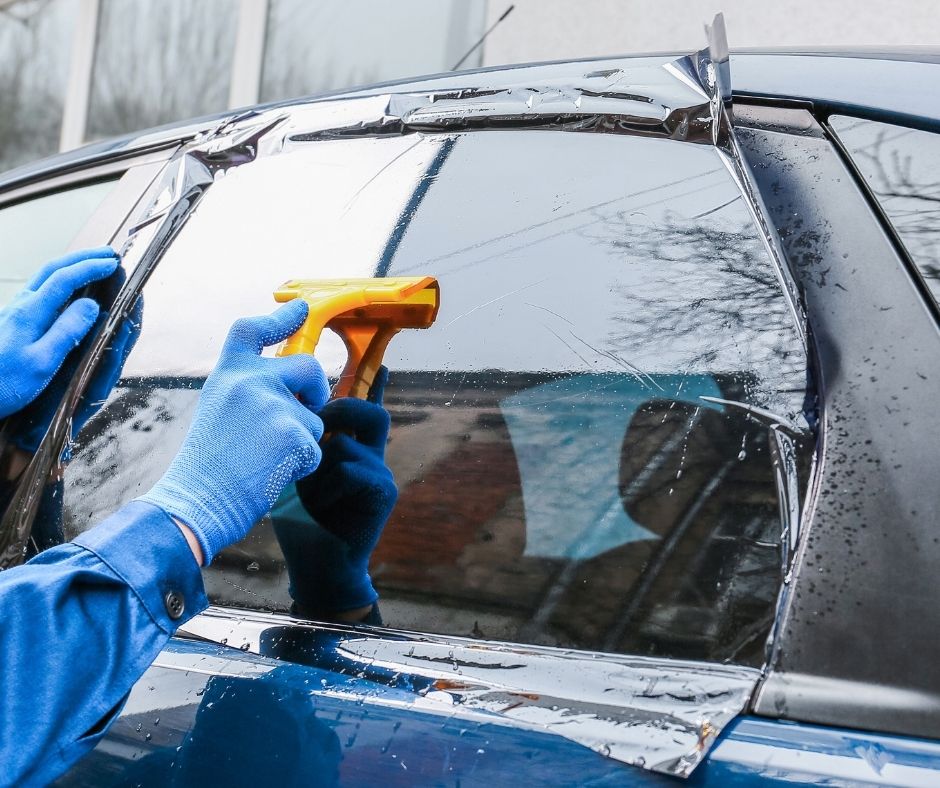
What ceramic coating actually is

A ceramic coating is a nanotechnology polymer, applied as a liquid and cured to form a semi-permanent bond with the paint's clear coat. Unlike wax, which sits on top and wears away, the coating chemically bonds to the surface and becomes a hard, transparent layer that lasts far longer. Its defining trait is that it is hydrophobic: water beads up and sheets off, carrying dirt with it instead of leaving it behind. That single property is why a coated car looks cleaner between washes and why washing it takes a fraction of the time.

Coatings Bond, Wax Sits

A ceramic coating is a nanotechnology polymer that chemically bonds to a car's clear coat and cures into a hard, semi-permanent layer, unlike wax, which rests on the surface and washes or bakes off within weeks.

Hydrophobic Means Self-Cleaning

The hydrophobic surface of a ceramic coating makes water bead and sheet off, carrying dirt with it, which is why a coated car stays visibly cleaner between washes and takes far less effort to wash

Coating and Film Do Different Jobs

Ceramic coating protects paint chemically against UV, stains, and grime, while paint protection film protects it physically against rock chips and debris, so the two are complementary rather than interchangeable.


Social Media

What it protects against

The coating adds a sacrificial barrier over the paint. It shields the finish from UV rays that oxidize and fade paint over Kentucky summers, resists the etching from bird droppings, tree sap, and bug residue that can permanently mark an unprotected clear coat, and shrugs off water spots and light chemical staining. Its slick surface also resists the fine swirl marks that everyday washing leaves behind, so the paint keeps a deeper, glossier look over time. It does not make paint scratch-proof or stop a rock chip, which is a job for paint protection film, but against the chemical and UV hazards a daily driver faces, it is a strong defense.

Ceramic coating and paint protection film work together

The two products solve different problems, and many Louisville drivers use both. Paint protection film is a thick urethane layer that absorbs physical impact, rock chips, road debris, and deeper scratches, on the high-impact front-end zones. Ceramic coating is a thin, hard layer that adds gloss, UV resistance, and that water-shedding, easy-clean surface across the whole car. Applied together, PPF takes the hits on the front end while the coating makes the entire vehicle easier to keep clean and protects the paint chemically. It is the combination that keeps a car looking new the longest.

Preparation is most of the job

A ceramic coating locks in whatever is on the paint when it is applied, so the preparation decides the result. A proper job starts with a thorough wash and decontamination to pull embedded grime out of the clear coat, followed by paint correction to remove existing swirl marks and light scratches so the coating cures over a clean, corrected surface rather than sealing in the flaws. Only then is the coating applied and left to cure. Skipping the correction step is how a cheap coating locks in a dull, swirled finish, which is exactly what a careful application avoids.

Living with a coated car

A ceramic coating lowers the maintenance, it does not eliminate it. The car still needs regular washing, but with a pH-neutral shampoo and a soft mitt rather than abrasive brushes, and it rewards the occasional gentle maintenance wash to keep the hydrophobic surface working. There is no more waxing, and dirt and water release far more easily than they do from bare paint. For a driver who wants a finish that stays glossy and cleans up fast for years, that is the whole point.

Complete protection from one local shop

Sun Tint is a local, family-owned company with over 40 years of experience across Louisville and Southern Indiana, and it applies ceramic coating with the wash, decontamination, and paint correction that make the result last. Because the shop also installs paint protection film and window tint, a driver can protect the paint, the front end, and the glass through one local vendor, with free quotes and transparent pricing on each. Whether the car is a new purchase, a lease being kept sharp, or a collector vehicle, the coating is applied over a properly corrected finish.

Ceramic coating gives a Kentucky car a hard, water-shedding shield that protects the paint from UV, stains, and grime while keeping it glossy and easy to clean. To coat a daily driver or pair a coating with PPF and tint, call Sun Tint at (502) 254-0001 for a free quote.

Redirect to:


Frequently Asked Questions

Wax sits on top of the paint and wears off in weeks, while a ceramic coating is a polymer that chemically bonds to the clear coat and cures into a hard, semi-permanent layer that lasts far longer. It is hydrophobic, so water and dirt sheet off, keeping the car cleaner and glossier with much less upkeep.
No. Ceramic coating is a thin, hard layer that protects against UV, stains, water spots, and light swirl marks, but it does not stop rock chips or deep scratches. Physical impact protection is the job of paint protection film, which is why many drivers use both together.
Usually, yes. A coating locks in whatever is on the paint, so a proper job includes a wash, decontamination, and paint correction to remove existing swirl marks before the coating is applied. Skipping correction seals in the flaws, which is why preparation is most of the work.